
News from the He*+Rb lab
February 2016, Lifetime measurements of ultracold mixture in optical dipole trap

Time evolution of He* in the single beam optical dipole trap, both for a He*+Rb mixture that is stable against Penning ionization (h+C), and after flipping the spin of the He* atoms (h+A), showing a dramatic decrease of the trapping lifetime.
November 2015, Our first dual species hybrid trap signal!

TOF signal (He*) and absorption image (Rb) after loading in the hybrid trap together, about 4x10⁴ atoms of each species with a lifetime exceeding 10 seconds. This is the very first ultracold He*+alkali mixture in an optical dipole trap!
May 2015, Our first He* BEC!

Time-of-flight signal from MCP detector after evaporative cooling in single beam ODT.
April 2015, First signal of He* atoms in optical dipole trap

We have loaded He* (up to 7x10⁵ atoms) in our single beam optical dipole trap, using the hybrid trap scheme.
September 2014, Our first Rb BEC!

We have obtained our first Rb BEC in a hybrid trap (single beam optical dipole trap + QMT just below levitation), ~ 1x10⁵ atoms, transition temperature ~ 400 nK.
August 2014, First signal of Rb atoms in optical dipole trap

In situ absorption image of Rb atoms in the optical dipole trap after ramping down QMT below the levitation gradient.
March 2014, Experimental determination of quartet scattering length in He*+Rb mixture

In the last few months we have investigated the ultracold mixture in our quadrupole magnetic trap. We do observe some interspecies thermalization, which reduces the Majorana heating of He*. We obtain an interspecies elastic cross section from our data, from which we can derive a scattering length of +17(4)a0.
November 2013, Bachelorproject Tim van Leent on saturated fluorescence imaging and optical pumping of He*

For three months Tim worked on the implementation of a new laser beam, to apply saturated fluorescence imaging and optical pumping of He*. This has resulted in better knowledge of our He* atom number, and a factor of three gain in transfer efficiency to the magnetic trap!
April 2013, Improved Rb 2D-MOT
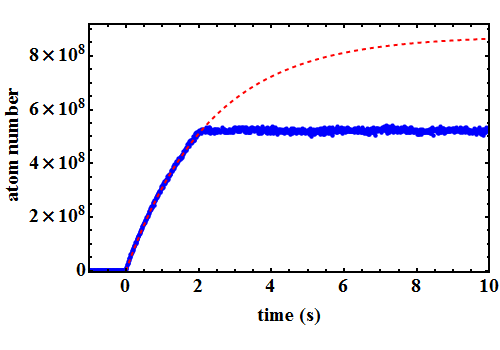
In the last month we have considerably improved the loading rate from our Rb 2D-MOT to the 3D-MOT, by making considerable changes in our vacuum setup, and implementing a 2-color push beam scheme.
November 2012, Two-species MOT

Our first two-species MOT, showing the loading time of the He* MOT after having loaded the Rb MOT (MOT signals both on arbitrary scale).
October 2012, Rb 3D-MOT
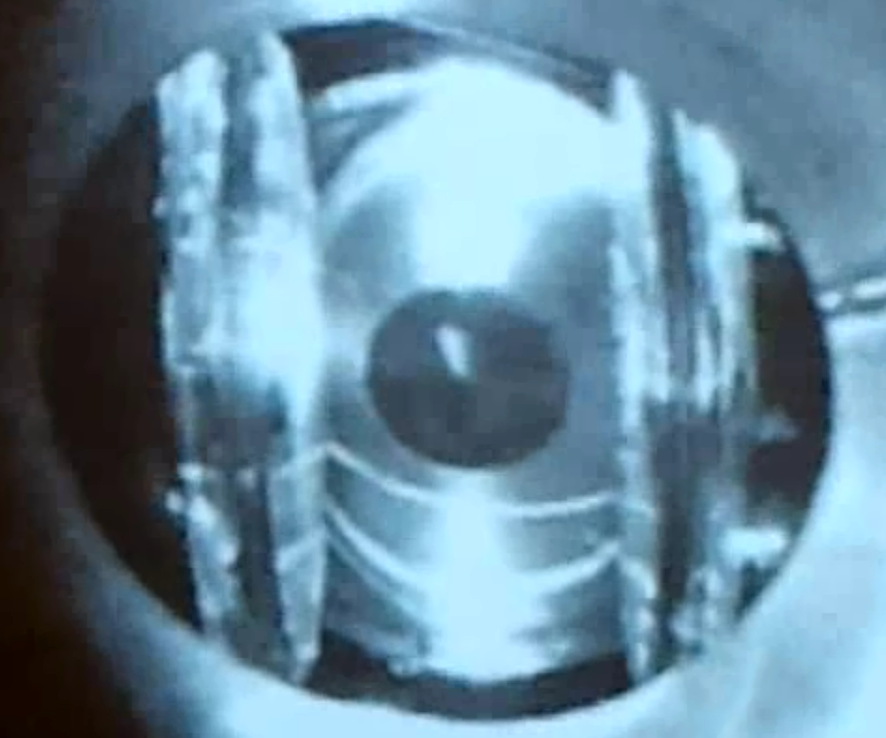
First signal of Rb 3D-MOT, check also this video in which we modulate the repumper.
September 2012, Rb 2D-MOT

Very first signal of cold Rb atoms in our 2D-MOT
September 2012, 2D-MOT coil
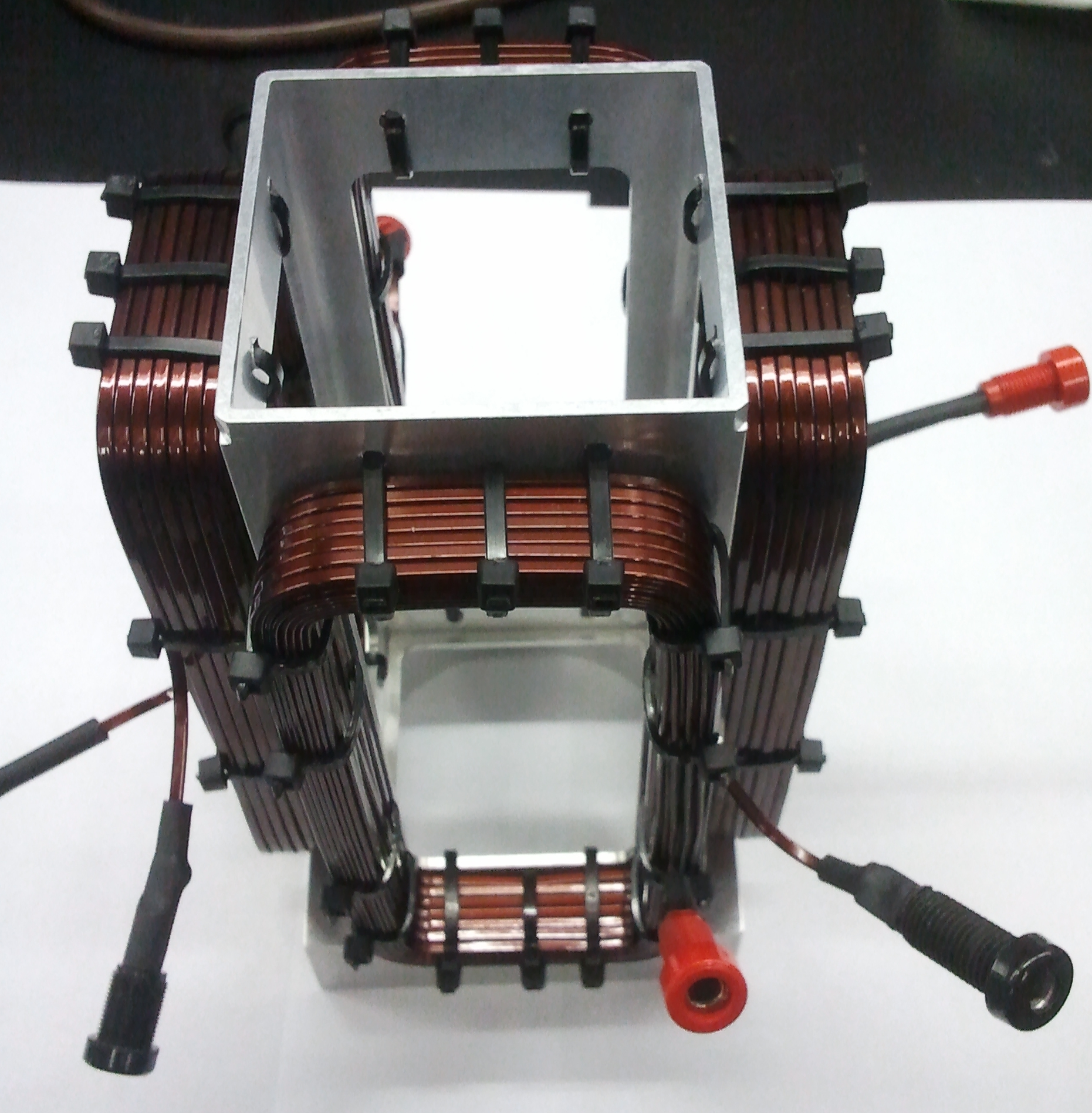
Nicely wrapped coils for the 2D-MOT, producing 4 G/cm/A
August 2012, 2D-MOT glas cell
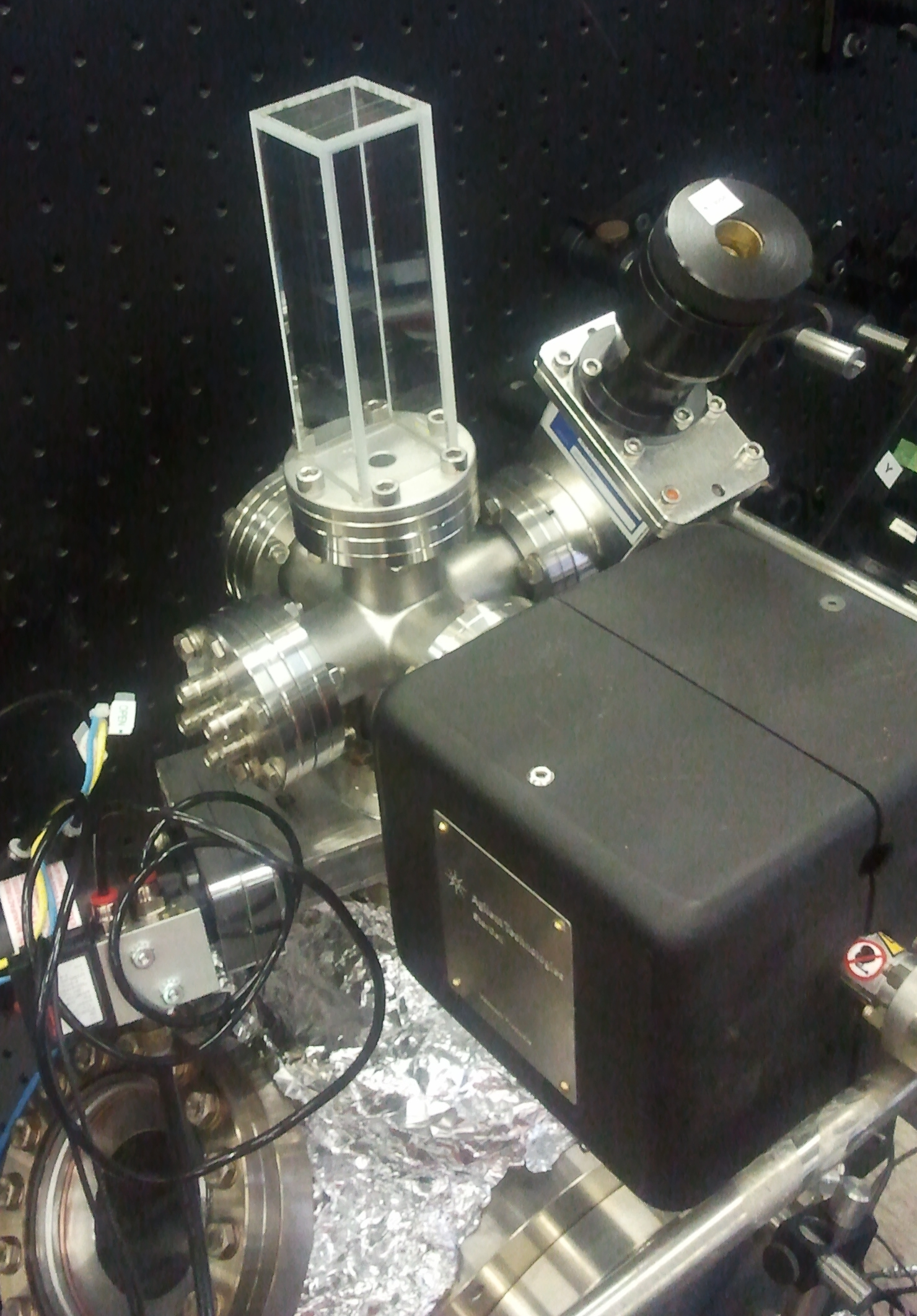
The 2D-MOT glass cell is attached to the main vacuum chamber
March 2012, He* in magnetic trap
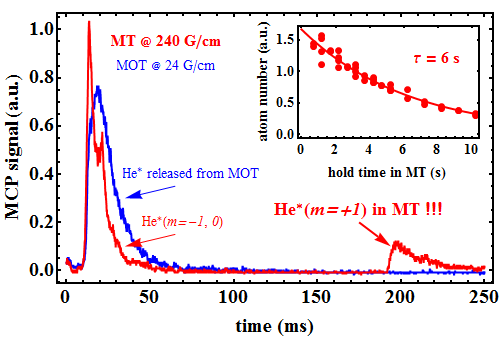
He* atoms transferred from MOT to quadrupole magnetic trap (MT).
February 2012, He* MOT
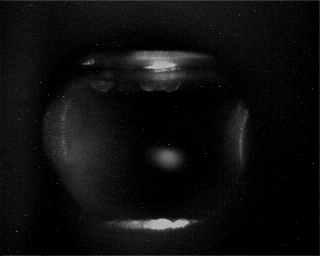
Our first He* MOT (fluorescence captured by Xeva InGaAs camera)
January 2012, working on the optics

Compact MOT beam set up (Heidelberg design)
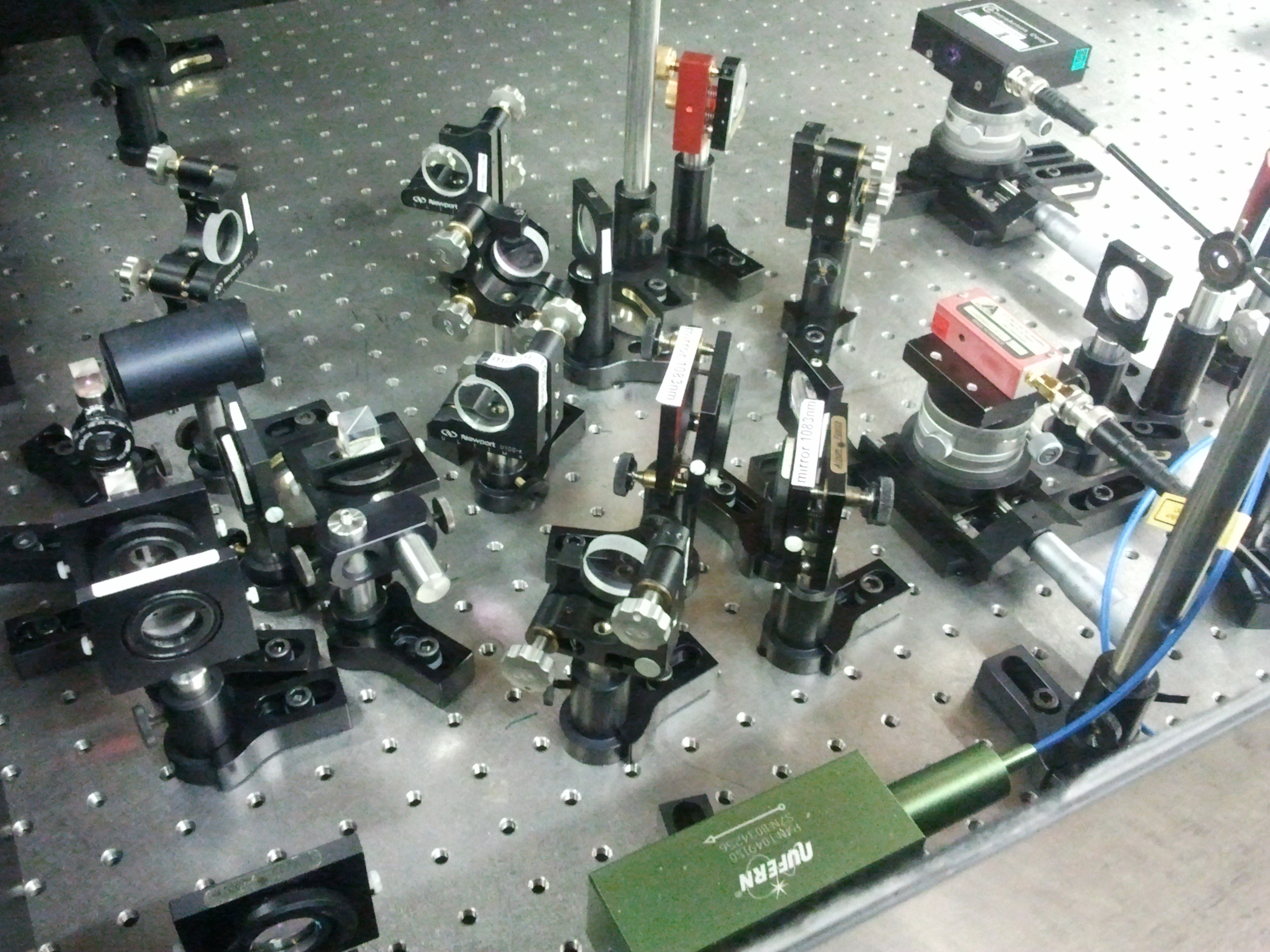
1083 nm laser optics: output fiber amplifier (green), Zeeman slower AOM (red) and MOT AOM (black)
September 2011, 780nm lasers arrived
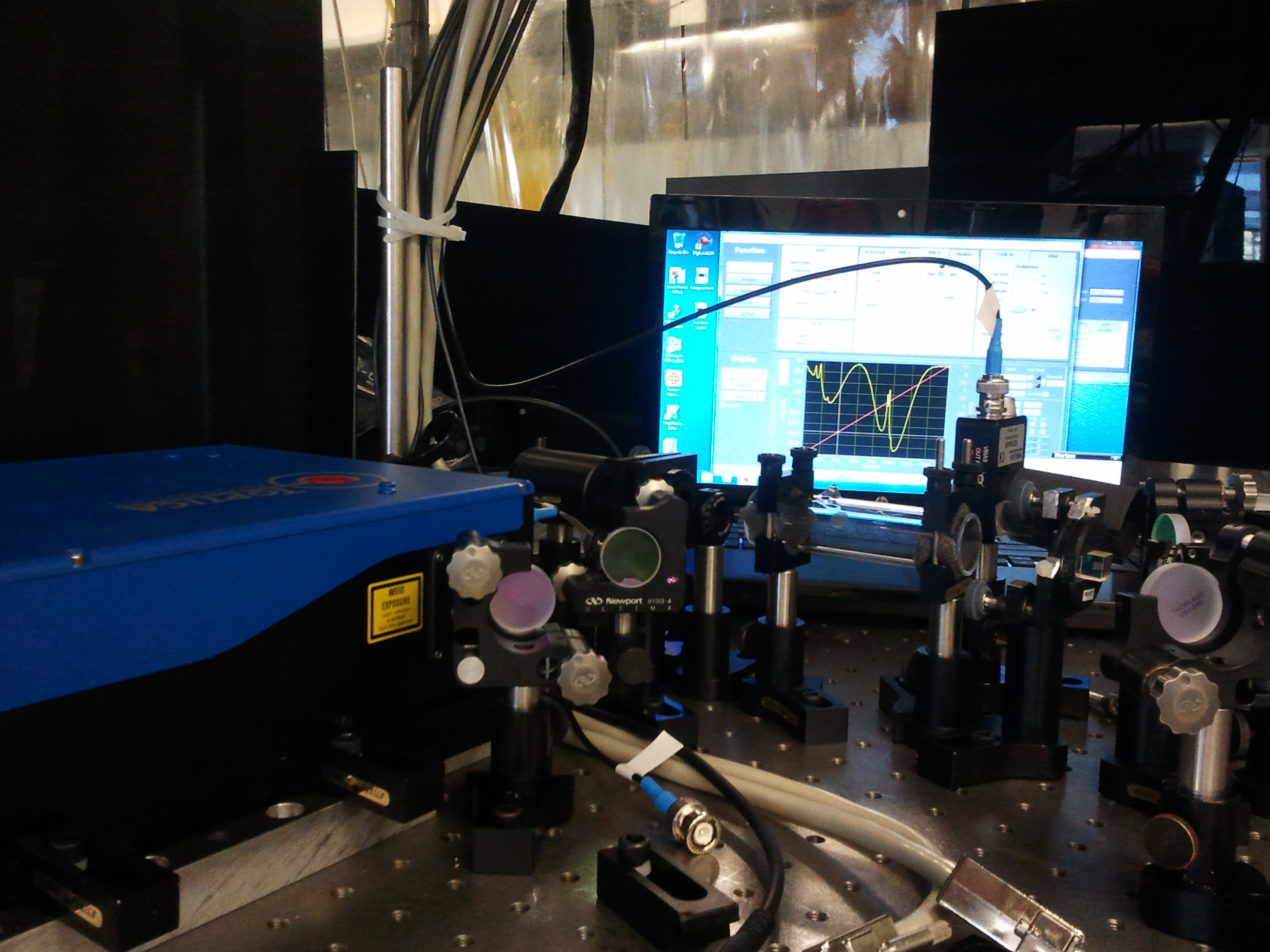
Glimps of Rb spectroscopy setup to lock TA pro laser (with Digilock)
Augustus 2011, He* discharge operating again
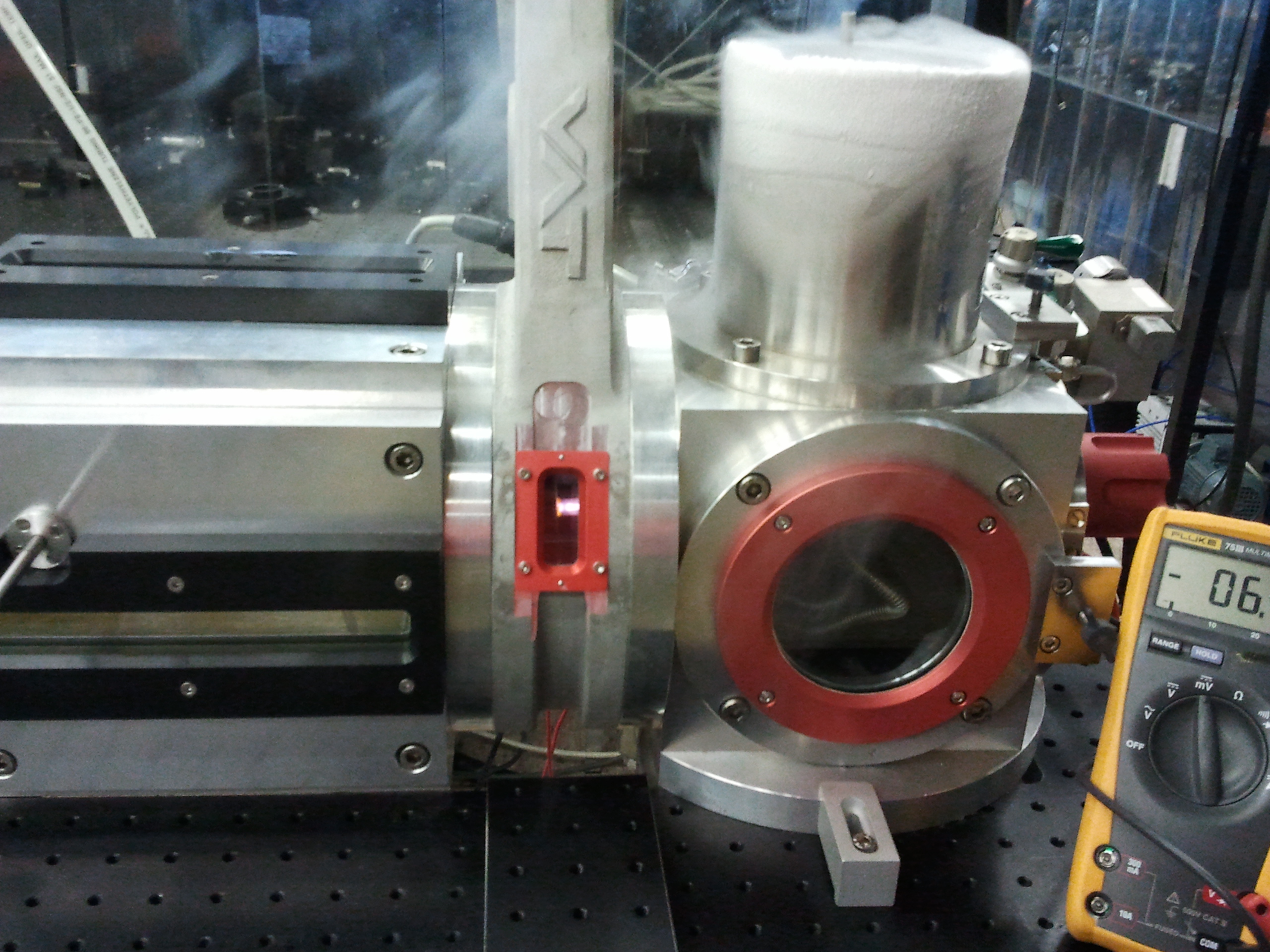
Liquid nitrogen cooled He* discharge source
June 2011, official start VIDI project
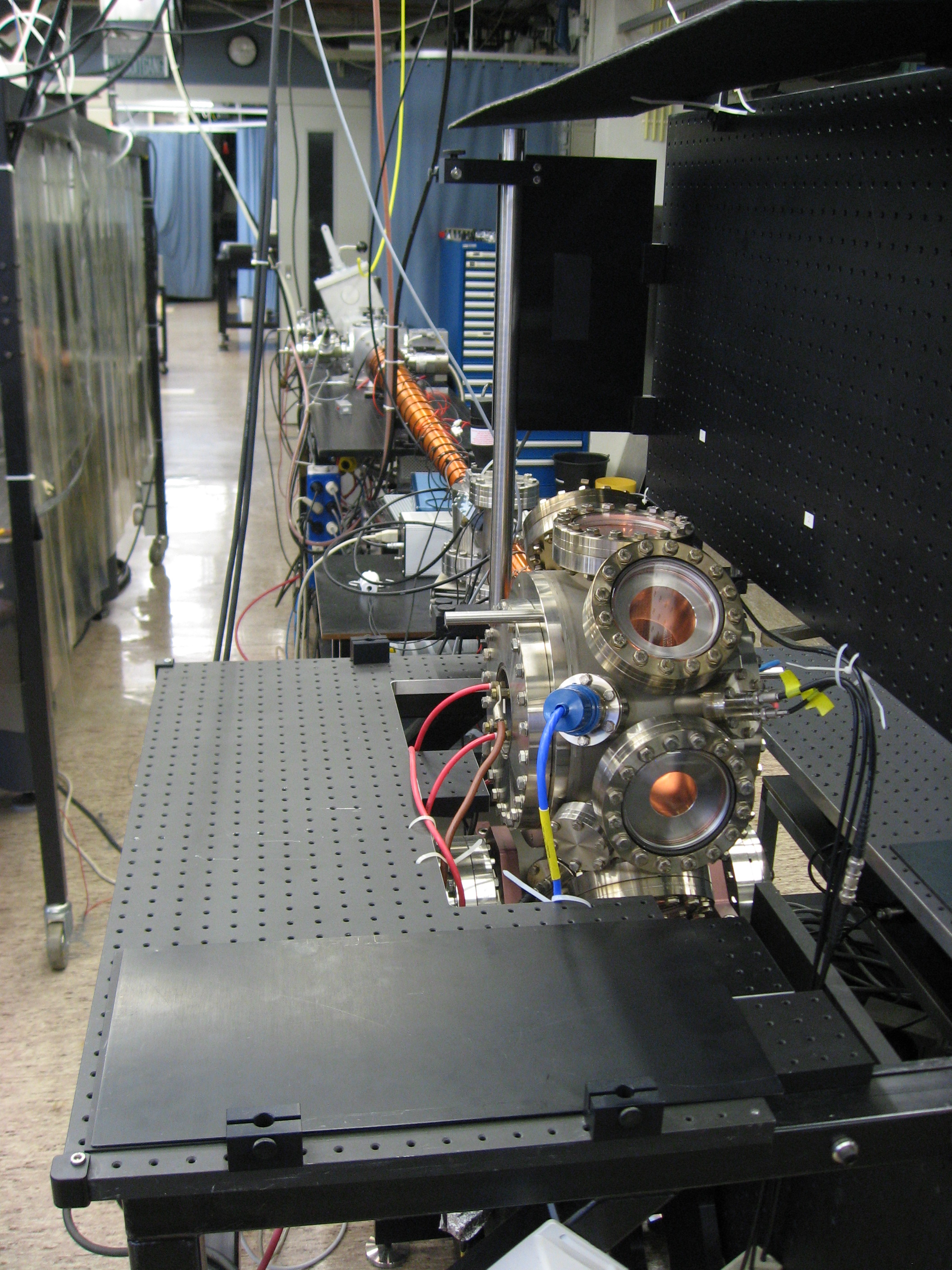
Stripped He* setup, made available by Wim Vassen
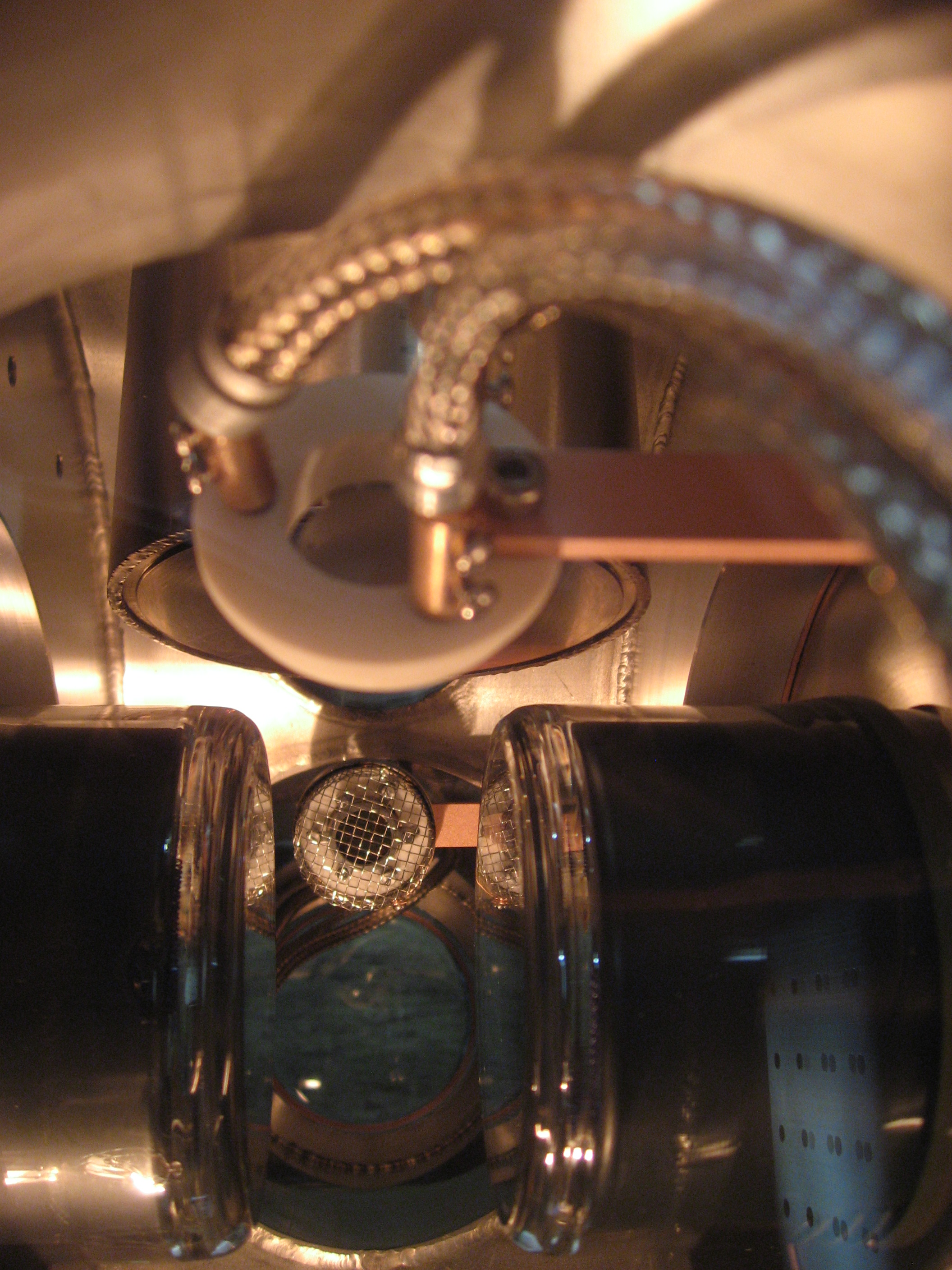
Inside the He* setup: two MCP's to count ions and metastable atoms
Back